
Rental Property Depreciation Explained: A Los Angeles Purchase Example
Understand the building deduction, land allocation, and cash flow.
By Shawn Kormondy | Skor Real Estate Group
Buying a rental property creates two different sets of numbers: the money moving through your bank account and the income reported on your tax return. Depreciation helps explain why they can differ.
What does depreciation mean?
Depreciation lets eligible owners recover the tax basis of income-producing property over time. It is not a prediction that the property will fall in market value. A rental can appreciate while its building is being depreciated.
Under the usual federal General Depreciation System, residential rental buildings are generally depreciated over 27.5 years. Land is not depreciable. Personal-use homes do not qualify simply because you bought them.
A hypothetical $1.5 million purchase
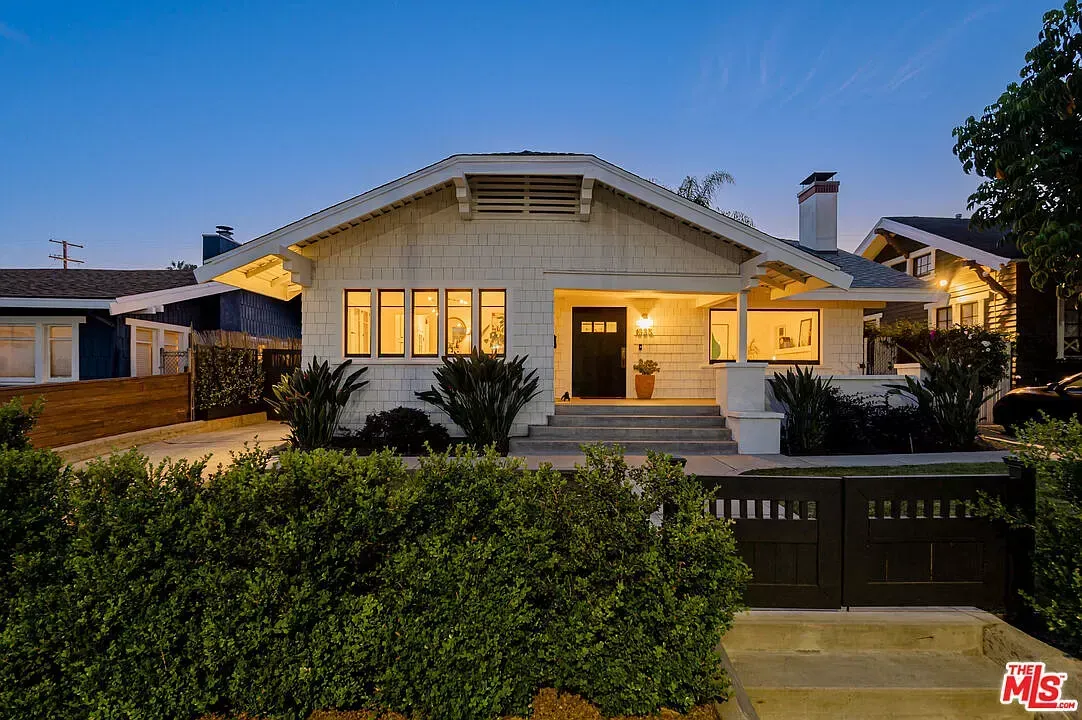
Imagine an investor buys a Los Angeles residential rental for $1,500,000. For illustration, a supportable allocation assigns $600,000 to land and $900,000 to the building. These are teaching assumptions, not an appraisal or a recommended allocation.
$900,000 building basis / 27.5 years = approximately $32,727 of building depreciation for a full recovery year.
This simplified example excludes closing-cost adjustments, separate assets, improvements, and other basis changes. The down payment does not determine the depreciable basis: financing a purchase does not limit depreciation to the cash invested.
The first year is usually different
Depreciation generally begins when the property is ready and available for rental use. Closing on a house that still requires substantial work does not automatically start depreciation. Residential rental buildings generally use a mid-month convention, so the first-year deduction depends on the month placed in service.
A deduction is different from a tax credit
If the entire $32,727 deduction were usable against income taxed at a hypothetical 32% federal marginal rate, the simple tax effect would be about $10,473. It would not be a $32,727 refund. Actual results depend on the owner’s circumstances and applicable limits.
Rental losses can be restricted under passive-activity and at-risk rules. A deduction may be carried forward rather than reduce current wages or other income.
Why the Los Angeles land allocation matters
Compare two hypothetical purchases at the same $1,500,000 price. If one has a $900,000 building allocation and another has a $600,000 building allocation, their illustrative full-year building deductions would be about $32,727 and $21,818. Equal prices do not mean equal depreciation. The allocation must reflect defensible values, not the tax result you want.
Start with the property’s operating performance
Review rent, vacancies, insurance, maintenance, financing, and reserves before relying on a tax benefit. Depreciation does not pay for a roof or make an overpriced purchase work. It also reduces adjusted basis, which can affect taxes when the property is sold.
Shawn Kormondy can help you compare property options and gather purchase information for your CPA. Discuss an investment-property purchase or browse current listings.
Educational examples only. These are hypothetical illustrations, not client results or personalized tax advice. Have a qualified tax adviser calculate your basis, deductions, loss limitations, and federal and California treatment.
Further reading: IRS Publication 527, IRS Publication 925, and IRS Publication 544.