

By Shawn Kormondy
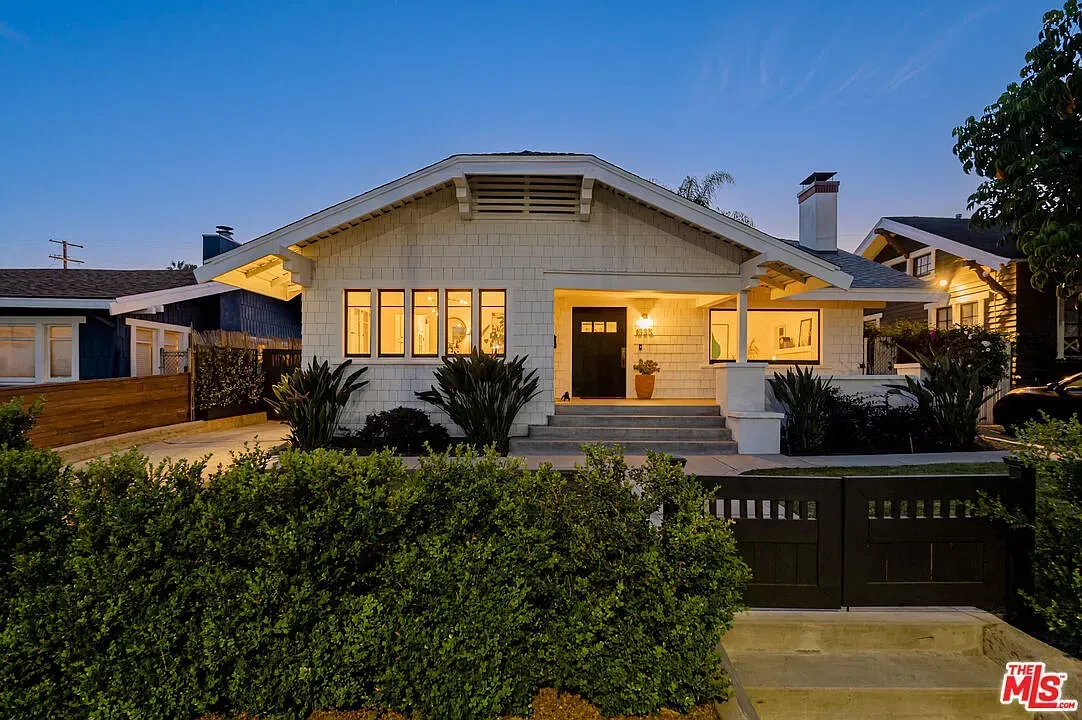
AI-generated editorial illustration; not an actual property or listing.
A Joshua Tree vacation rental’s asking price may reflect the house, its design, furnishings, outdoor amenities, and the seller’s expectations about income. Your job as a buyer is to separate those elements and decide what the evidence supports.
Use two views together: what comparable real estate has sold for, and what the property could reasonably cost to own and operate. Neither an attractive booking projection nor a low price per square foot tells the whole story.
Start with comparable closed sales
Ask for recent closed sales that compete with the property in location, condition, permitted living area, parcel characteristics, and useful amenities. Explain meaningful differences rather than averaging unlike homes. An extra acre with difficult access may not contribute the same value as usable outdoor space adjoining the house.
Active listings show the competition and sellers’ expectations. Closed transactions provide evidence of completed deals. Pending properties can provide context, although final terms may not yet be available. Ask whether concessions, included furniture, or unusual transaction circumstances affected a comparison.
Separate the home from the rental presentation
Request an itemized inventory for furniture, appliances, equipment, and other inclusions. Check condition and replacement costs. Professional photographs and a recognizable rental name may support marketing appeal, but they do not establish that accounts, reviews, reservations, or management arrangements can transfer to you.
Investigate permits, additions, detached structures, and advertised sleeping spaces. Resolve discrepancies before paying a premium for features that may require corrective work or cannot support the intended use.
Reconstruct the income statement
Ask for monthly records rather than a single annual headline. Reconcile booking revenue with statements, refunds, cancellations, owner stays, and management reports. Keep guest taxes and pass-through cleaning charges separate from the rental income you retain.
Then include the ongoing costs: management, platform charges, utilities, insurance, property taxes, maintenance, supplies, landscaping, permits, and a reserve for repairs and replacement. Use buyer-specific estimates where ownership changes the cost, especially financing and insurance.
A hypothetical example: gross revenue is only the start
Suppose a home is offered at $1,000,000 and your independently supported assumptions produce $90,000 in annual rent, excluding guest taxes and pass-through charges. Assume operating expenses total $40,000, before debt service, income taxes, depreciation, and a separate capital reserve.
- Illustrative net operating income: $90,000 − $40,000 = $50,000
- Illustrative capitalization rate at asking price: $50,000 ÷ $1,000,000 = 5%
- If annual debt service is $55,000 and you set aside $8,000 for capital reserves, cash flow would be negative $13,000 before income taxes.
These figures are invented for education, not local market benchmarks or a recommended return. The example shows why a property’s gross revenue and capitalization rate cannot substitute for a financed cash-flow analysis.
Run a downside case before negotiating
In the same example, a 20% reduction in rent produces $72,000. If operating expenses stayed at $40,000, net operating income would fall to $32,000. Actual costs may also change. Model lower demand, unexpected repairs, delayed rental startup, and the effect of your own stays.
For short-term rental plans, investigate the exact parcel’s eligibility and ownership-change requirements using the county program or Yucca Valley program, as applicable. Existing rental activity does not settle a buyer’s approval requirements.
Turn the analysis into an offer
Bring together comparable sales, documented condition, realistic operating assumptions, immediate repair costs, and your financing terms. Decide on a supported offer range and the documents or inspections still needed. Evaluate depreciation separately with your CPA; a potential deduction should not replace a workable ownership budget.
Explore Joshua Tree area investment properties and depreciation resources, then ask Shawn Kormondy for help comparing candidates and evaluating the real estate behind an asking price.
Hypothetical calculations are educational and are not forecasts, appraisals, financing offers, or personalized investment or tax advice.